Dancing Queen Turns Fifty And ABBA's Slowest Disco Trick Still Works
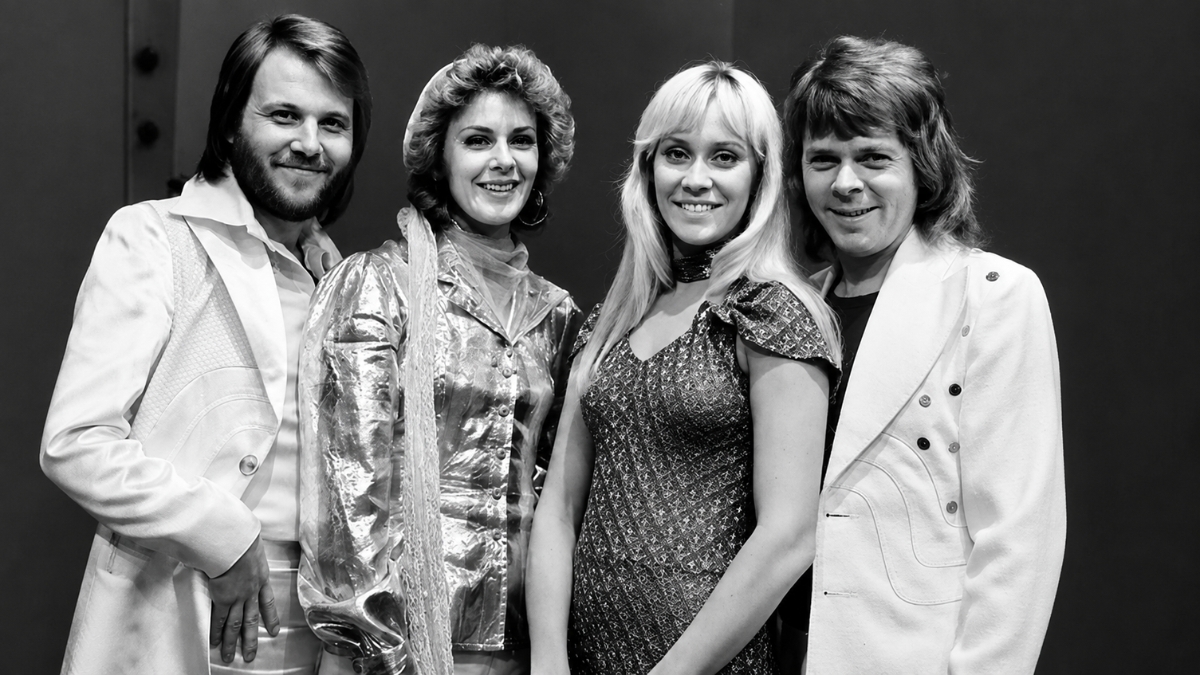
On August 14, 2026, a ten inch of sparkling vinyl landed in shops: "Dancing Queen" remastered at Abbey Road, with the Spanish version "La Reina Del Baile" on the flip. Two days later the song itself turned fifty, since the single first went out in Sweden on August 16, 1976. Back in May it passed two billion Spotify streams, the first ABBA track to get there. A record cut in a Stockholm basement is still winning today.
Back Then: The Origin Vibe
August 4, 1975. Björn Ulvaeus and Benny Andersson walked into Glen Studio, a room in the basement of a house owned by Swedish producer and arranger Bruno Glenmark, and spent two days cutting backing tracks with session players. The song had no title. On the tape it was "Boogaloo." It was the first thing they tracked for the album that became Arrival, and what they were chasing sat on other people's records: the loose float of George McCrae's "Rock Your Baby" from 1974, plus the drum patterns on Dr. John's Gumbo, an album loved by session drummer Roger Palm and engineer Michael B. Tretow. Manager Stig Anderson later supplied the title and worked out the lyrics with Björn, replacing the nonsense syllables holding the melody's place.
The Spark That Lit It
Benny took a tape of the backing track home and played it for Anni-Frid Lyngstad. "I thought it was so enormously beautiful that I started to cry," she said. What should land for anyone who has sat with a rough instrumental at 2am is what she added: that was before she and Agnetha Fältskog had sung a note on it. The record was already doing the emotional work with no vocal near it, two days after tracking started.
The Beat Anatomy
Disco in 1976 mostly lived around 120 beats per minute. "Dancing Queen" sits at 100, and it refuses to hurry. That gap is the entire feel, a sway instead of a sprint, with room between the kick and the snare for everything else to sit down in. The inspiration came from records built on machines, but Palm played it by hand, and he is credited with the drums, the tambourine and the hi-hat parts, with Malando Gassama laying percussion over the top. Rutger Gunnarsson's bass keeps its distance rather than gluing itself to the kick. Nothing in that rhythm section is showing off. It all serves a tempo most producers would have talked themselves out of.
 Textures + Sauce
Michael B. Tretow engineered it, and by 1975 he had already worked out the method that made ABBA records sound far bigger than the money behind them. Three years earlier he read Richard Williams' Phil Spector book Out of His Head and finally understood what he had been hearing. "That explained why it sounded like five guitars," Tretow said. "It was because Spector really did use five guitars." Nobody in Stockholm was paying for five guitarists, so at the "Ring Ring" session in January 1973 he recorded the backing track twice and nudged the tape speed slightly between passes, leaving the two takes a hair out of tune with each other and the stack sounding enormous. More parts and more air instead of more volume is stamped on everything he touched afterwards. Over the band, Sven-Olof Walldoff wrote the strings, and the credits list fifteen players: nine violins, three violas, two cellos and a double bass, swelling upward into every chorus. The intro is Benny running his fingers down the white keys of a piano and landing on octaves.
The Voice
Vocals came a month later, September 1975, at Stockholm's Metronome Studio. "When we recorded the vocals, I remember we both had the chills," Agnetha said. "The hair stood up on our arms." A Swedish TV crew happened to be around that week shooting a documentary about Stig Anderson, and they filmed the session, which is the only reason footage of ABBA working in a studio exists. It also catches a verse that got cut from the finished record.
Arrangement Moves + Studio Myths
The song opens on its own chorus. No build, no eight bars of vamp, straight into the biggest thing in the arrangement. The vocals do not even enter on the first line of it, they launch on the highest note halfway through. That is a production decision, not a writing one. The other move worth stealing is the patience. Björn and Benny were still adding overdubs in December 1975, four months after tracking. Then it sat. "Fernando" went out as a single in March 1976 instead, and "Dancing Queen" waited another five months, getting its first live performance in Sweden at a gala for the royal wedding on June 18, 1976, before the single arrived that August. Roughly a year between the first take and the release, on a track everybody in the room already knew was the one.
Why Bedroom Producers Still Study It
Three things carry straight over to a laptop in 2026. Steal the feel of a reference record but play it yourself, because the human version of a machine groove is where this one gets its lean. Solve a budget problem with a technique rather than a bigger session, which is all that doubling a backing track onto detuned tape ever was. And reject the tempo everyone else is using, since the 20 beats per minute ABBA gave up is precisely where the sway lives. None of that needs a fifteen-piece string section. It needs the nerve to sit with one track for a year.
Fade Out
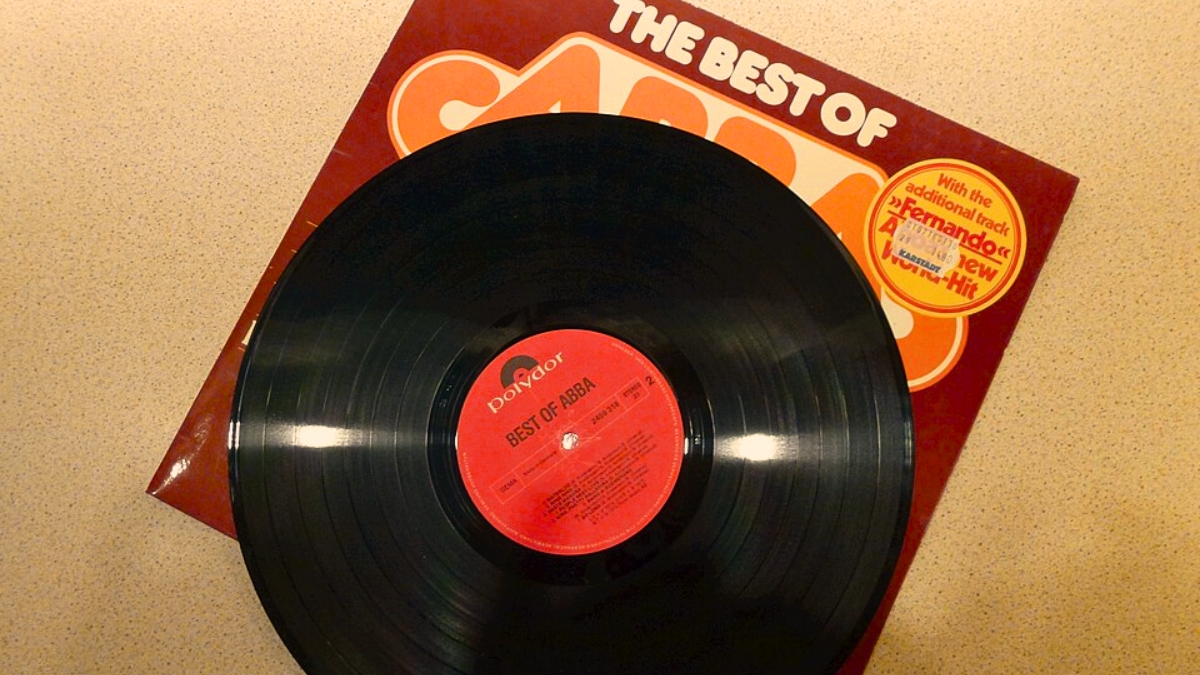
Fifty years on, it comes back to a basement in a Stockholm suburb, a drummer chasing a Dr. John record, and a manager who came up with the title. Two billion plays later, the thing people keep reaching for is still the thing Frida heard on a tape with nobody singing on it yet.
Photos:
[1] "ABBA Schiphol 1976.jpg" https://commons.wikimedia.org/wiki/File:ABBA_Schiphol_1976.jpg
[2] "ABBA - TopPop 1974 5.png" https://commons.wikimedia.org/wiki/File:ABBA_-_TopPop_1974_5.png
[3] "ABBA Benny.jpg" https://commons.wikimedia.org/wiki/File:ABBA_Benny.jpg
[4] "Best of ABBA vinyl 1975.jpg" https://commons.wikimedia.org/wiki/File:Best_of_ABBA_vinyl_1975.jpg
Comments:
Aug 25, 17:33
Login to comment on this post