2026 Olympics Brought Donna Summer's Last Dance Back to Every Producer's Queue
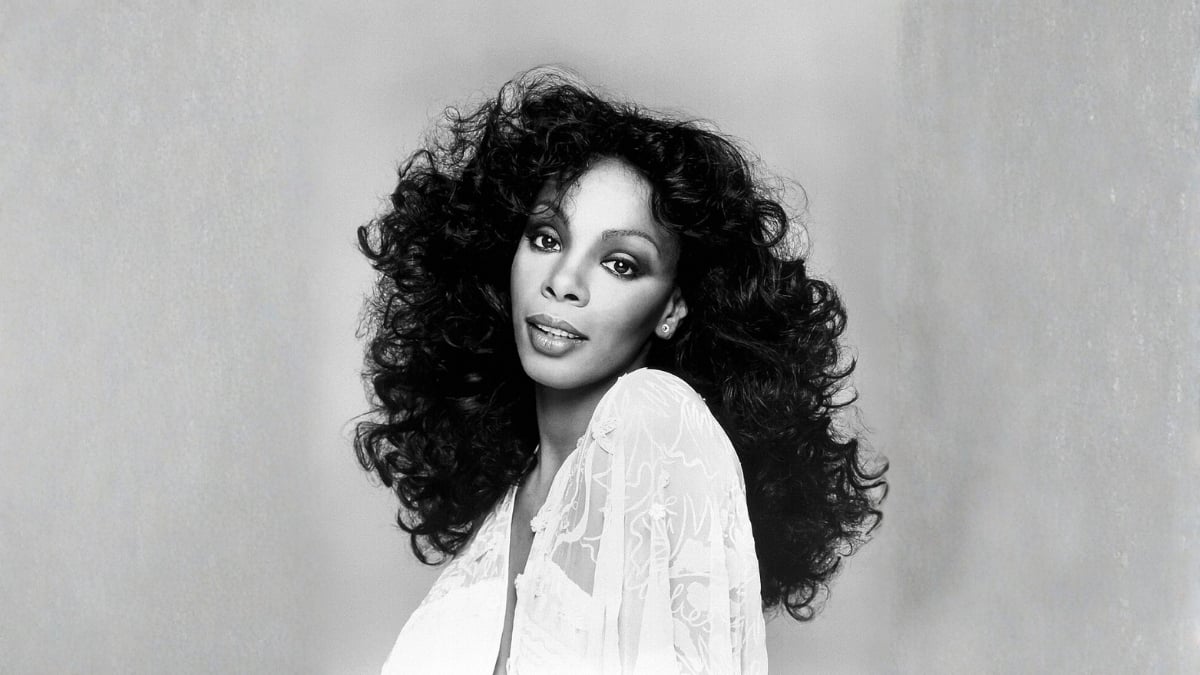
February 2026, the Milan Cortina Winter Olympics, and Japanese figure skater Mone Chiba glides onto the ice for her short program. The first notes of "Last Dance" fill the arena, and suddenly a song from 1978 is back in the conversation everywhere. Meanwhile, American skater Alysa Liu wins gold skating to another Summer classic, "MacArthur Park" in her free skate. Two Olympic performances, both powered by the same voice from nearly five decades ago. So what exactly was in the water when they cut this thing?
Back Then: The Origin Vibe
It was 1977, and disco wasn't just a genre. It was a full cultural operating system. Songwriter Paul Jabara had a very specific brief: write a song for a movie called Thank God It's Friday, a Motown Productions film capturing one chaotic night at a fictional Los Angeles discotheque. Donna Summer's character in the film is an aspiring singer who brings an instrumental track to the club DJ, hoping for a shot to perform live. The song needed to work inside that narrative, functioning as a believable moment of discovery on screen, while also standing completely on its own as a radio single. That's a tricky needle to thread. Jabara handed the production reins to Giorgio Moroder and Pete Bellotte, the duo who had already redefined what electronic dance music could be through their earlier work with Summer on "Love to Love You Baby" and "I Feel Love." Moroder was operating out of Musicland Studios in the basement of the Munich Arabella Sheraton hotel, and Bellotte brought an ear for arrangement sophistication that balanced Moroder's synth-forward instincts with warmer, more traditional textures. The stage was set for something that would outlast the movie by about half a century.
The Spark That Lit It
The recording came together fast in 1977, with the track built for both the film performance and the standalone single. That kind of speed suggests the instrumental bed was likely well prepared before Summer stepped to the mic, but it also speaks to the sheer readiness of everyone involved. There was no luxury of endless takes or weeks of vocal comping. The song had to be nailed with intention and commitment, and the result is a performance that sounds like it knows exactly what it is from the first breath.
The Beat Anatomy
At 126 BPM, the drums on "Last Dance" sit in that sweet spot where the tempo is driving enough to move a body but not so aggressive that it loses the smoothness. The kick hits on every beat, classic four-on-the-floor, but what keeps it from feeling robotic is the subtle dynamic variation layered into the hi-hats and snare. There are tiny swells and timing nudges that trick the ear into hearing a human behind the pattern, even though the precision points toward electronic programming. The snare has that tight, snappy late-70s character, cutting through the mix without ever overpowering the vocal. It's a groove that teaches patience. Nothing rushes. Everything lands exactly where the body expects it to, and that predictability becomes its own kind of pleasure.
Textures + Sauce
Underneath the drums, a bass line does double duty as both harmonic anchor and rhythmic engine. It's warm and slightly filtered rather than bright or buzzy, sitting in that low-mid pocket where it supports everything above without muddying the bottom end. Above that, layers of strings, electric piano, and horn textures build gradually as the song progresses, each section adding a new color to the palette. The arrangement accumulates rather than explodes. By the final chorus, the sonic world feels full and rich, but no single element has arrived with a dramatic entrance. It all just quietly stacks until the room is overflowing. That restraint is the real sauce here.
The Voice
Summer's vocal range on this track stretches from a low that feels conversational and intimate all the way up to a high belt that hits with real physical force. The performance doesn't start at full intensity. The verses are delivered almost like she's talking to someone standing close, and the energy builds through each section until that final chorus where she opens up completely. What makes it land is the space between vulnerability and confidence. She sounds like someone who knows the stakes and chooses to commit anyway. The recording preserves both the delicate textures of her quieter moments and the full harmonic richness of her belt without anything sounding strained or over-compressed. Stephen Short, who mixed the record and contributed backing vocals, made choices that kept Summer's voice sitting right at the front of the mix, occupying the frequency range where human hearing naturally locks in.
Arrangement Moves + Studio Myths
One thing worth studying is how the mix handles space. Summer's vocal sits in a relatively dry, intimate pocket, almost like she's right in front of the listener, while the instrumental world around her is given a slightly wider, more spacious treatment. That contrast does something sneaky to the brain. It makes the voice feel personal and close while the music feels like a room opening up behind it. The various layers and supporting instruments each occupy their own spot in the stereo field and stay there consistently, creating a sonic geography that becomes familiar and reliable across repeated listens. Stephen Short's mix balances the kick drum's low-end presence against the bass without either one stepping on the other, a challenge that producers still wrestle with daily. The overall frequency balance is bright enough to feel modern for its time without tipping into harshness, and the midrange clarity ensures nothing gets lost even on smaller playback systems.
Why Bedroom Producers Still Study It
The biggest lesson from "Last Dance" is that harmonic simplicity is not a limitation. It's a strategy. The chord movement here is minimal, and that's entirely by design. When the harmony stays out of the way, every other production element gets room to breathe and be heard. The drums can be felt more clearly. The vocal performance can carry more emotional weight. The textural layering can develop gradually without competing with complex chord changes for the listener's attention. The track also demonstrates how gradual arrangement accumulation, adding one layer at a time rather than dropping everything at once, creates a sense of journey and forward motion that keeps ears engaged across the full runtime. For anyone working in a bedroom with a DAW and a handful of plugins, the takeaway is clear: you don't need complexity to create something that lasts. You need clarity of vision and the discipline to let each element do its job without overcomplicating the picture. This song won an Oscar, a Grammy, and a Golden Globe with a straightforward progression and a vocal performance that simply refused to be anything less than honest.
Fade Out
There's something almost too perfect about "Last Dance" finding its way back through figure skating. A song about the final moment on the dance floor, played while an athlete performs on ice for what might be the biggest audience of her life. The emotional architecture is the same. The stakes are the same. That feeling of knowing this is the one that counts, and choosing to be fully present for it. Nearly fifty years after Donna Summer recorded it in 1977, the song still does what it was always built to do. It makes the moment feel like it matters. And maybe that's the thing no plugin or production trick can replicate. The song believes in its own moment, completely and without apology, and it turns out that belief ages better than any piece of gear ever could.
Photos: "Donna Summer (1977 Casablanca publicity headshot).jpg" by Casablanca Records [1], https://commons.wikimedia.org/wiki/File:Donna_Summer_(1977_Casablanca_publicity_headshot).jpg
Comments:
Login to comment on this post