Fleetwood Mac Made "Go Your Own Way" In Pieces, Not Moments
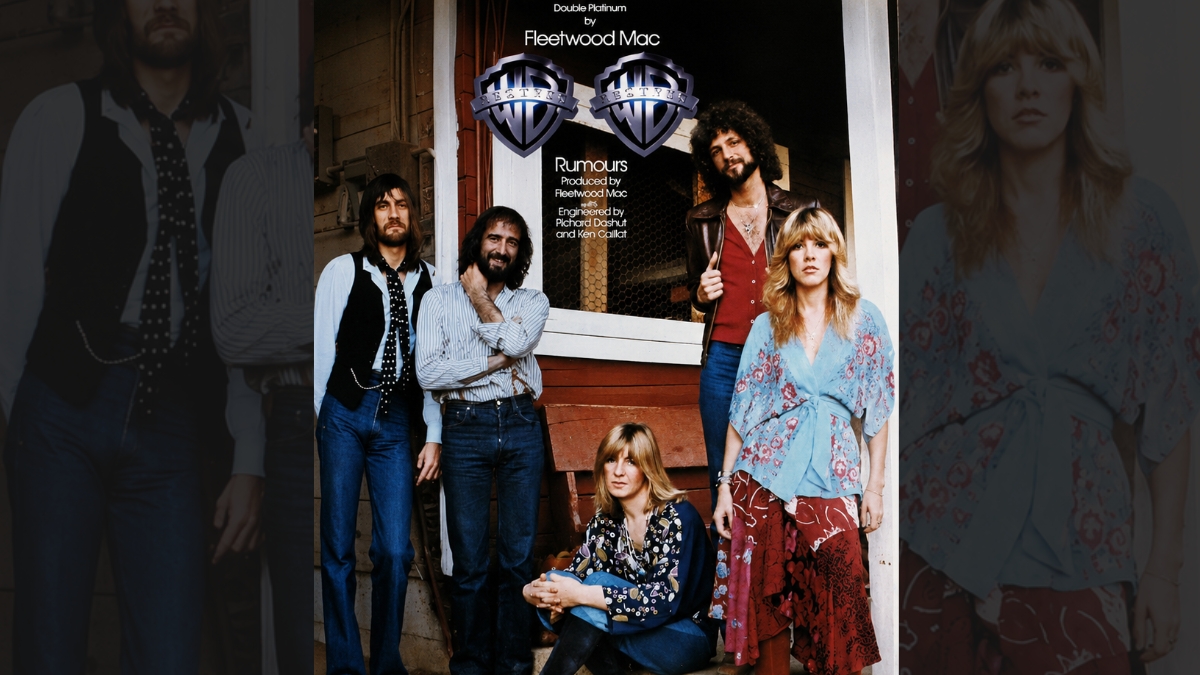
Fifty years ago, Fleetwood Mac's Rumours sat on the charts for 31 consecutive weeks at number one. It's the ninth best-selling album in music history. Forty million copies. That album is having a moment right now. Dolby Atmos remixes, vinyl presses mastered from original tapes, deluxe box sets. But the real spark? In March 2026, Lindsey Buckingham hinted at a reunion with Stevie Nicks, the two core songwriters who were barely speaking when they made this record. The words: "That's something that's in the air." The internet held its breath. Suddenly, a 49-year-old album felt urgent again.
Watch "Go Your Own Way" on YouTube
Back Then: The Origin Vibe
February 1976. Lindsey Buckingham and Stevie Nicks had just broken up. At the same exact moment, John and Christine McVie were separating. Then the band walked into Record Plant Sausalito to make an album. What emerged was essentially four people living out a relationship apocalypse on tape, in real time, for six months straight. The studio became the only place they'd reliably be in the same room. Mick Fleetwood insisted on 35 consecutive recording days with no breaks. The strategy was simple: keep everyone together, channel everything into the songs. Ken Caillat, the engineer, watched this unfold with the detached fascination of someone witnessing controlled chaos. He later described the sessions as documented arguments; the band members unable to face each other directly, so they wrote about their wounds instead.
The Spark That Lit It
Lindsey Buckingham had an Ampex AG-440 4-track recorder. He recorded "Go Your Own Way" on that 4-track, solo, establishing everything: the rhythm, the arrangement, the vibe. He brought that demo to the band, and that demo became law. Nothing could deviate. The drum pattern didn't come from a human playing normally. Buckingham demoed it by hitting Kleenex boxes. Seriously. Mick Fleetwood then took that lo-fi percussion energy and translated it into actual drums, creating what he called his "own interpretation...capitalizing on my own ineptness." The result: a drum pattern that feels slightly loose, almost nervous, never locked into a metronomic grid. That tension became the song's swagger. The kick drum sits in the middle of the beat, not the downbeat. Tom-toms criss-cross the bar unpredictably. Caillat then had John McVie keep the bass on steady eighth notes, described as "holding the tension"; the bass creates predictability while everything else moves around it. This friction between locked groove and loose feel is why the song never sounds dated.
The Beat Anatomy
The kick drum is the anchor. Medium attack, warm. Mick Fleetwood hit with enough force to lock the pocket but not enough to sound electronic or icy. The snare is the character; crisp highs (from the AKG C414 with a 20dB pad), full low mids. You hear it breathe. The bass is John McVie's Fender Precision sitting low in the mix, eighths throughout, no flourishes. It's not trying to be interesting; it's providing structure so the guitars can move. That bass-and-kick duo forms the foundation. Everything else lives on top of it. The hi-hat is nearly invisible in the mix, which makes the song breathe differently than most rock records. Most bands over-mic and over-compress hi-hats into presence. Caillat kept it subtle, forcing the listener's ear to find it rather than having it shoved into their head. This is production elegance; restraint as a weapon.
 Textures & Sauce
Here's where it gets nerdy. Buckingham's guitar is recorded with two microphones simultaneously: a Shure SM57 positioned one inch from the amplifier speaker cloth, and an AKG C451B two inches away, slightly off-axis. These two mics captured different information; the SM57 gets direct, focused tone, while the C451B captures more ambience and harmonic complexity. By flipping the phase on one microphone and blending them, engineers could radically change the guitar tone without moving the amp or re-recording. This wasn't a radical invention, but it was meticulous execution. Christine McVie's Hammond B3 organ occupies the high midrange on the chorus. Rather than compete with guitar, Caillat and Buckingham made a strategic call: one instrument takes the high midrange, the other retreats into lower frequencies. No masking. No muddiness. Just clarity. The reverb is subtle; an EMT 140 plate reverb, barely audible, just enough space to feel live. The saturation comes from the API console's preamps pushed hard (+12dB across channels), not from tape compression. This was a deliberate choice: preserve transients, add perceived brightness and aggression through electronics rather than tape. The result is a mix that feels punchy and modern even now.
The Voice
Lindsey Buckingham's lead vocal is delivered close-mic'd on a Shure SM57. There's zero distance between the microphone and his mouth. Proximity creates intimacy but also slight distortion; his presence rises unnaturally, making the voice feel urgent and invasive. That's the point. Stevie Nicks added backing vocals, recorded on a Sennheiser MD 441-U with a rubber-band-secured windscreen creating proximity effect. She resented the lyrics (she objected to lines about "packing up, shacking up"), yet she sang them anyway. That resentment lives in her vocal delivery. You can hear her anger. The two voices together create friction; not quite harmony, not quite conflict, but something suspended between. It's why the song feels like an argument you're overhearing rather than a story you're being told. Ken Caillat's philosophy was clear: vocals recorded close, minimal bleed from drums and bass, then carefully balanced during mixing to preserve emotional nuance. This was before punch-in automation; this was choosing microphone placement and proximity to capture feeling, not just frequency response.
Arrangement Moves & Studio Myths
Buckingham recorded six separate guitar solos. Rather than picking the best take, Ken Caillat did something unconventional: he positioned six guitar solo takes on six separate faders during mixing, then manually brought them up and down in real-time, "basically performing the console as an instrument." He'd ride one fader as long as the take sounded good, then switch to another take mid-phrase. This was pre-digital editing; an analog workaround that foreshadowed modern compositing. It meant the guitar solo was literally assembled during mixing, not during recording. This workflow only works if the engineer is listening critically and making moment-to-moment decisions. It's the opposite of set-and-forget mixing. The other studio myth: the tape degradation crisis. Sixty-plus bounces onto a single 24-track machine caused oxide shedding and head wear. The solution involved a specialist engineer, a Vari-Speed Oscillator (VSO), headphones, and approximately 16 hours of manual synchronization; steering playback speed adjustments by ear to sync the damaged master with a simultaneously-recorded safety backup. This wasn't a technical spec you can download. This was problem-solving on the fly.
Why Bedroom Producers Still Study It
The album cost two million dollars and took six months. You probably have better gear in your closet right now. What Rumours teaches isn't gear or budget; it's philosophy. Buckingham's pre-planning (the 4-track demo as immutable law) meant zero wasted studio time. The band couldn't overthink or second-guess because the foundation was set. Caillat's philosophy (obsessive microphone calibration, phase relationships, API preamp saturation instead of tape compression) shows how constraint breeds creativity. They couldn't undo anything; there was no Control-Z, no undo button. So every choice had to matter. The frequency separation strategy (one instrument high, one low) solves the problem of ten people trying to occupy ten frequency spaces simultaneously. The close-mic'd vocals with minimal room ambience mean you can hear emotional detail even on laptop speakers. These aren't flashy production tricks. They're foundational decisions about what matters in a recording.
Fade Out
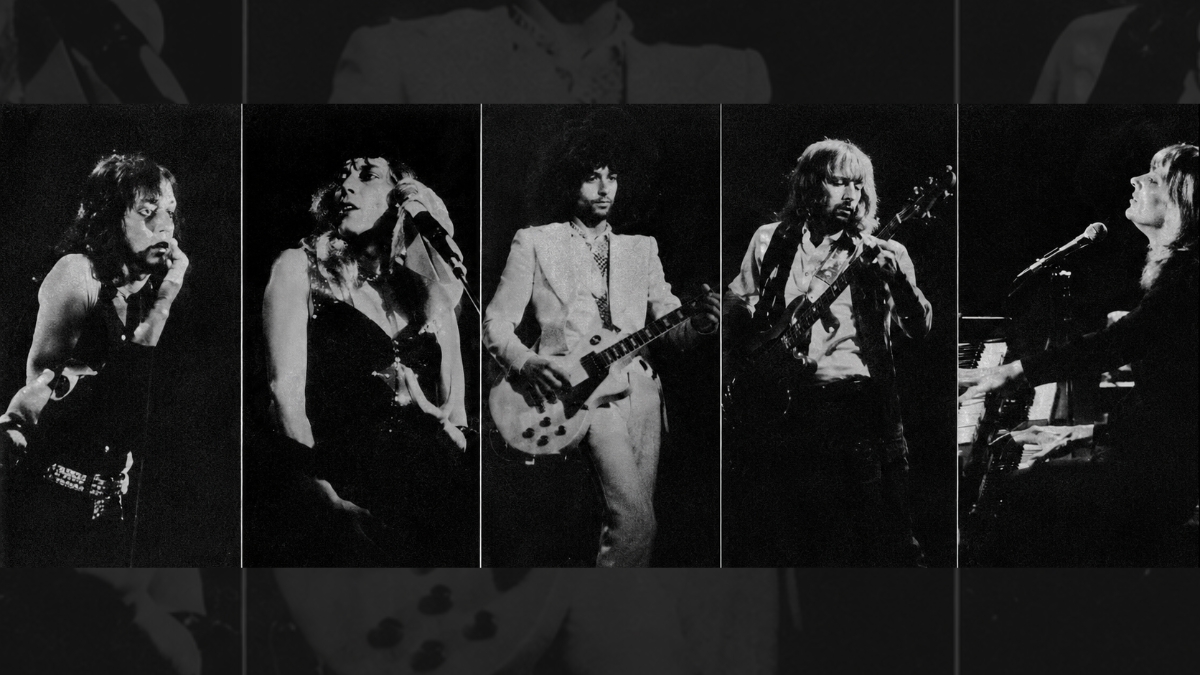
Fifty years later, "Go Your Own Way" is still the sound of four people barely holding it together, turning emotional chaos into something you can't stop listening to. The 50th anniversary remaster is gorgeous (Dolby Atmos, vinyl from original tape), but the original is what endures. You can hear Ken Caillat's discipline in every decision, Lindsey Buckingham's ruthless editing, Mick Fleetwood's human looseness in a medium obsessed with precision. And underneath it all, Stevie Nicks singing about heartbreak while actually living it, captured in close-mic'd intimacy so detailed you can hear her frustration. The real production lesson isn't about gear or technique. It's about honoring the emotion first, then building the mix to amplify that feeling rather than cover it up.
Photos:
[1] "Fleetwood Mac - Rumours Era (1977)" https://commons.wikimedia.org/wiki/File:Fleetwood_Mac_-_Rumours_era_(1977).jpg
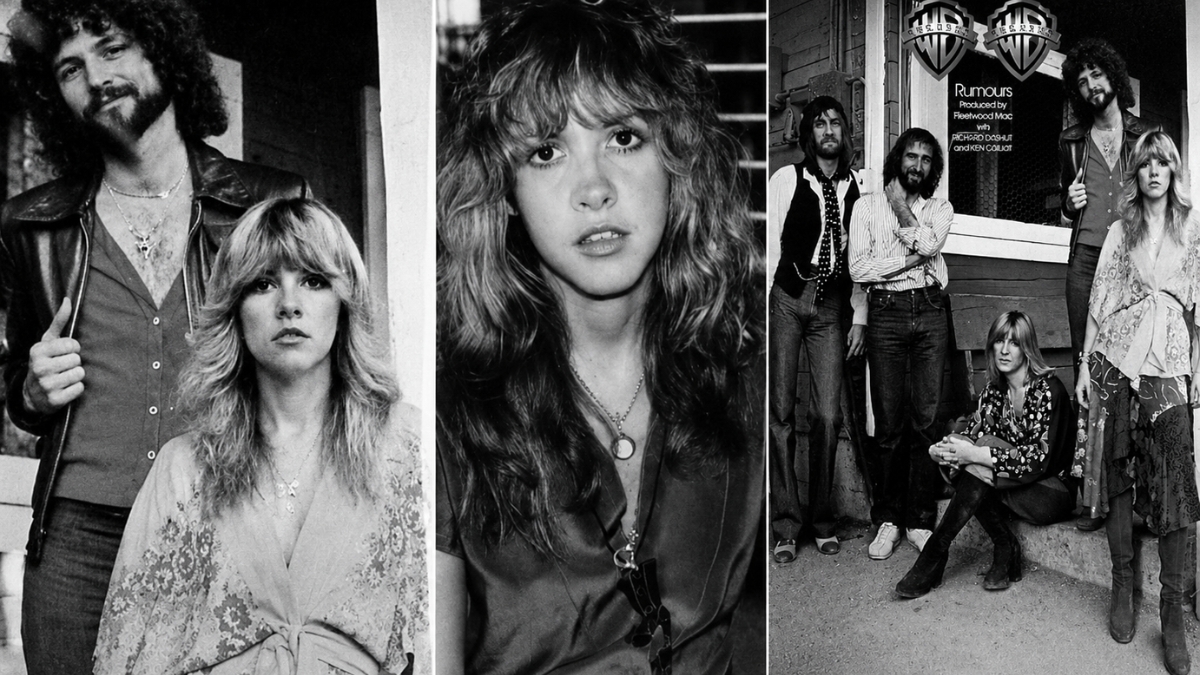
[2] "Stevie Nicks (1977)" https://commons.wikimedia.org/wiki/File:Stevie_Nicks_(1977).JPG
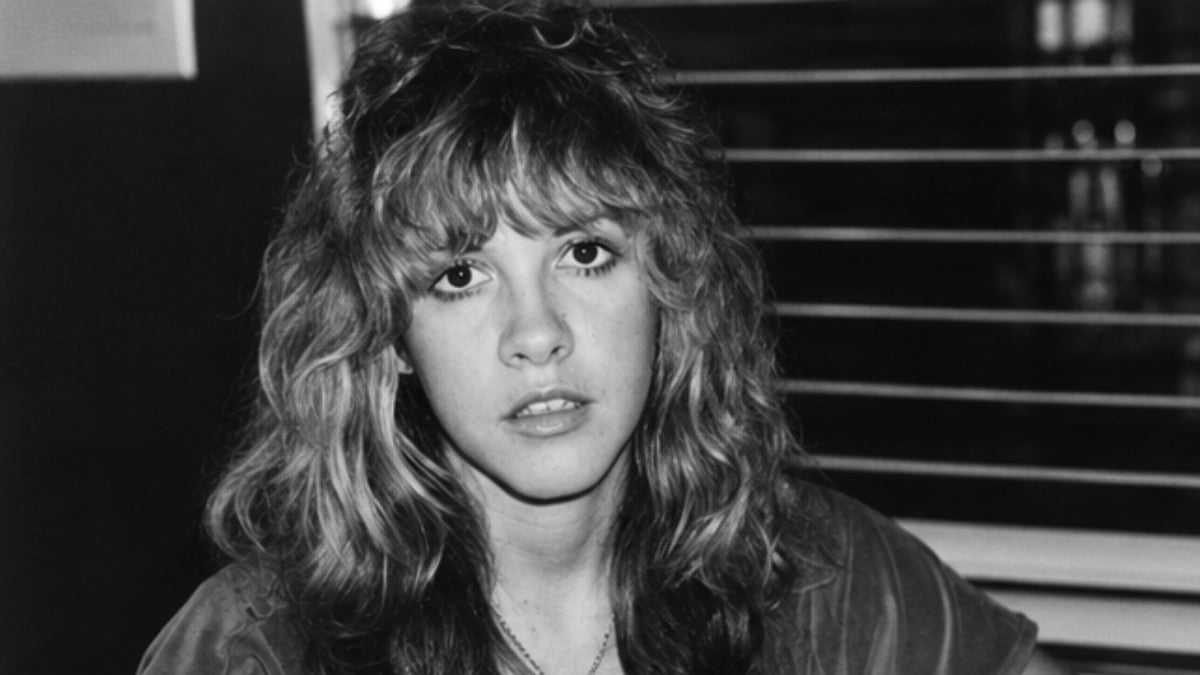
[3] "Fleetwood Mac Rumours Trade Ad (Billboard, 1977)" https://commons.wikimedia.org/wiki/File:Fleetwood_Mac_Rumours_trade_ad_Billboard_1977.jpg


Comments:
Jul 28
Login to comment on this post