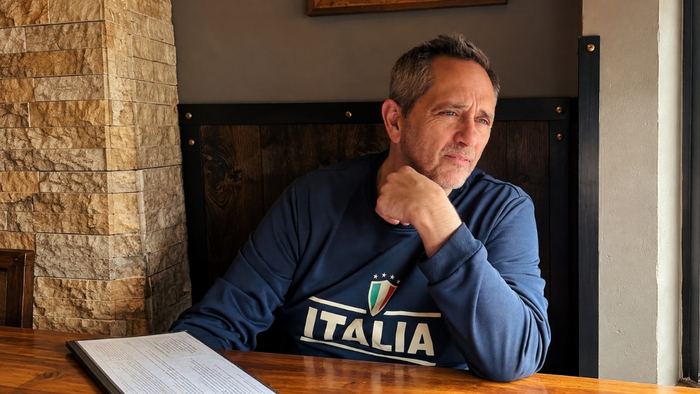
Pianist, synth devotee, and mixing and mastering engineer behind Greco Media, John Greco took the long way into audio.
The youngest of six kids raised on records played on the family console stereo, a high schooler who took home a Minimoog nobody had touched from the back of the band room, an electrical engineer who spent 20 years in the motion picture industry, and a volunteer court mediator who learned that the best result is the one that works for everyone, before discovering that daily ear training and weekly mix challenges could turn the sounds in his head into the ones coming out of his speakers. @John Greco is this month’s SoundGym Hero!
We use cookies to improve your experience. Essential cookies keep the site running. We also use optional cookies to enhance performance, analyze traffic, and personalize ads. By clicking “Accept”, you agree to the use of all cookies.