SoundGym Hero: Steve Rinaldi
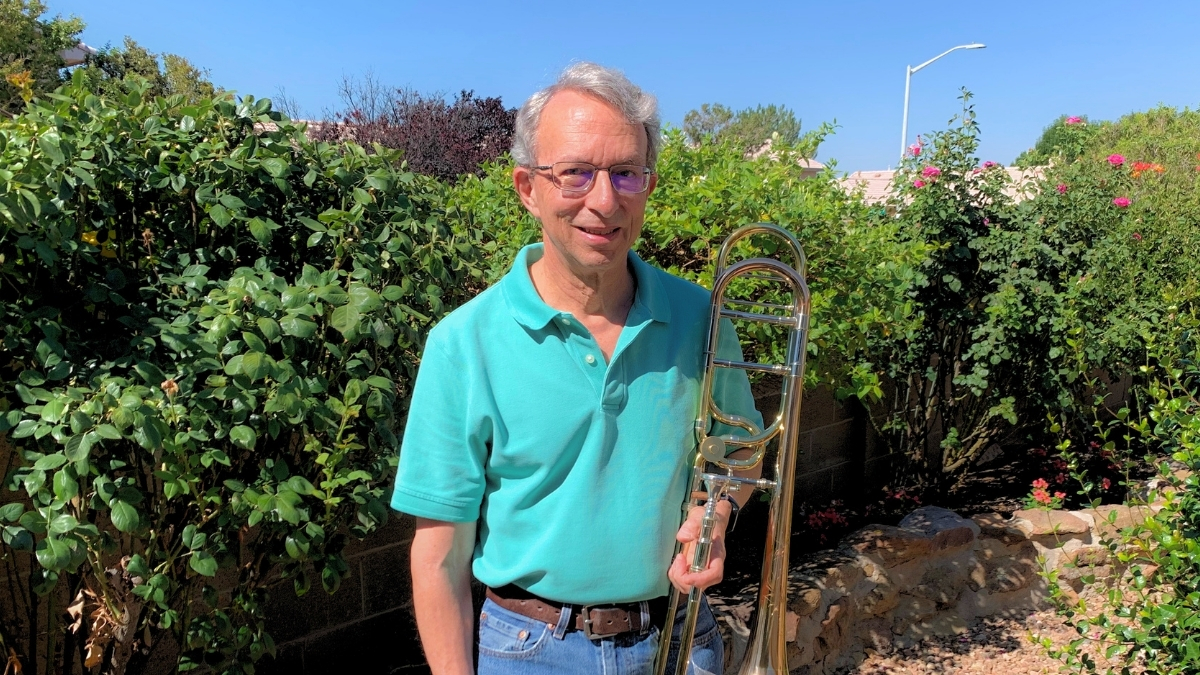
Trombonist, physicist, and recording engineer with a soft spot for capturing live ensembles, Steve Rinaldi never set out to be an audio engineer, just a chance childhood lesson on a neighbor's trombone, decades split between the bandstand and a career steering quantum computing programs, and a growing collection of microphones pointed at concert halls, before discovering that the ear, like a laser, can be trained. Steve Rinaldi is this month's SoundGym Hero!
How did you first find your way into making music?
My musical journey started with the band program in my elementary school. When I was about 9 years old, one of our neighbors invited me to her home so I could try playing a trombone with her son, who played trombone in his high school’s band program.
To my surprise and theirs, I was able to get notes out of the instrument right away. I fell in love with the horn, and the following fall, my parents signed me up for my school’s band program, and bought me a King Tempo trombone. Music and band become central to my life from that moment. I played throughout college, then took a pause for about 20 years before picking up the trombone again. I’m actively playing today, and building towards a career in audio engineering.
Aside from music, what hobbies or activities do you enjoy?
I love hiking, backpacking, snowshoeing, and backcountry camping. I live in Albuquerque, New Mexico, and we are fortunate to be bordered on the east side of the city by the Sandia Mountains. The hiking trails in the foothills are just 10 minutes from my home, and I’ve spent many hours on them. I’ve camped in and hiked my way across many beautiful areas of New Mexico over the years.
What’s something you're surprisingly good at that has nothing to do with music?
I would have to say theoretical physics. When I was five, I decided that I was going to be a scientist, even though I really didn’t know what that meant. When I took my first physics course in high school, I knew I had found my passion in the sciences. My graduate school studies were in theoretical physics, focused on lasers and optics. And I had the good fortune of spending the last 13 years of my professional career managing quantum computing programs at a national laboratory.
Interestingly, as I’ve learned more about audio engineering, I’m seeing many deep connections between physics and music. A simple example is acoustics, with is based on wave physics.
If you could play or create with any artist, who would it be and why?
If I were given the opportunity, I would want to play and create with Chicago. The band has horns! The first time I heard a Chicago song when I was a child, I was surprised to learn that a rock band could have a horn section, and specifically trombones. James Pankow, Chicago’s trombonist, was one of my childhood idols, and playing in a band set up like Chicago was one of my dreams. Playing with Chicago and James Pankow, well, that would be the dream of dreams for me.
What piece of music gear do you love the most, and what makes it irreplaceable in your creative process?
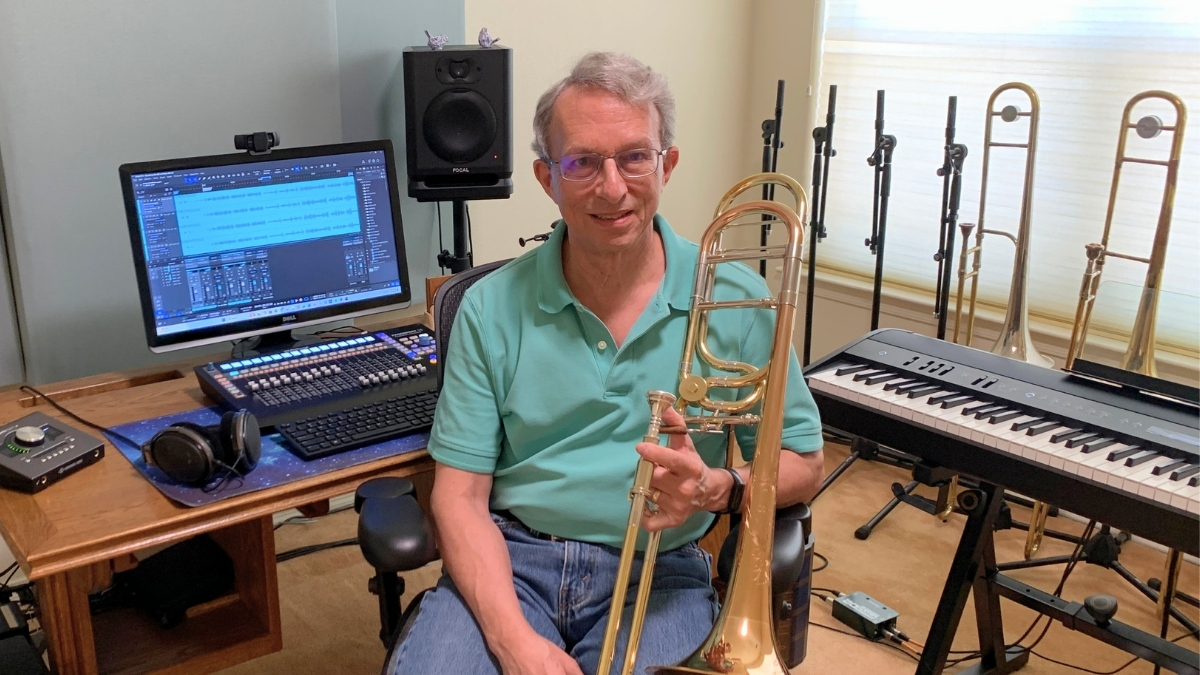
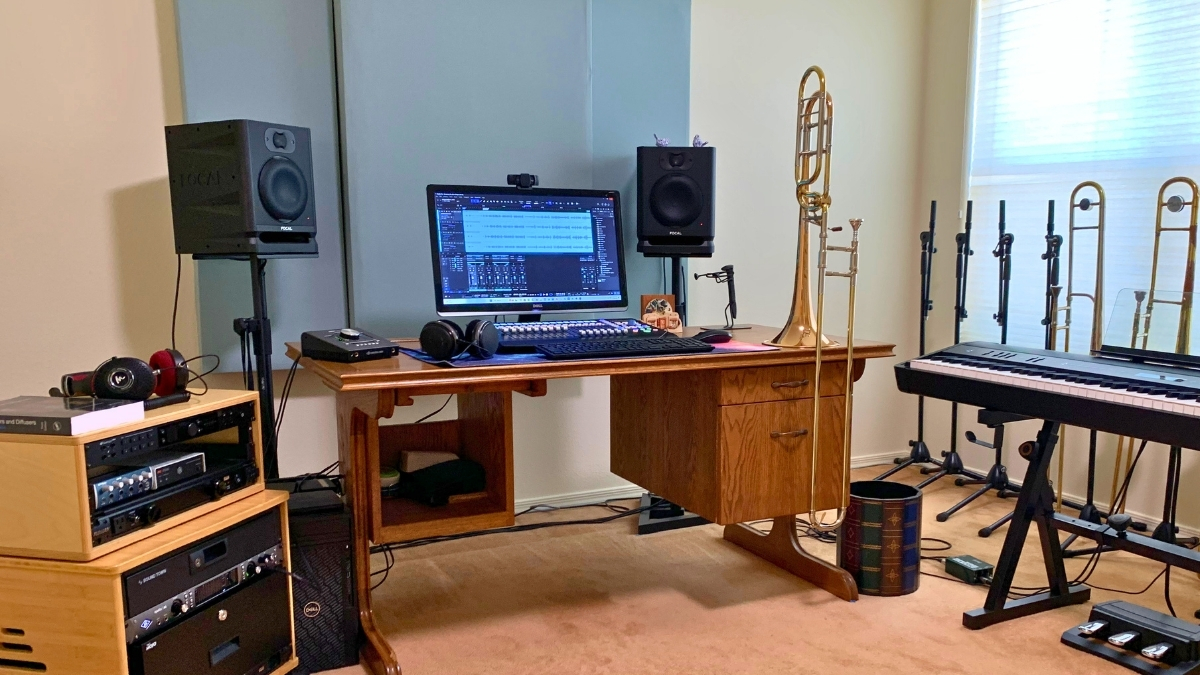
There are two pieces of gear that are irreplaceable to me, my trombone and my microphones. About eight years ago, I decided it was time to replace my student horn with a professional level instrument. I now play a Shires trombone, and love it, its tonal quality is superb, and its feel while playing it is just wonderful. I play in five organizations in Albuquerque, ranging from the Albuquerque Concert Band to a jazz ensemble to our church choir. Without a horn I love playing, I wouldn’t be playing the music I love.
The second bit of gear is my microphone collection. While the collection is small but slowly growing, it supports what has become one of my primary interests in audio engineering: recording classical and wind ensembles. Over the past two or three years, I have recorded a number of ensembles, from the Albuquerque Concert Band to the Albuquerque Philharmonic Orchestra to a number of small wind and brass ensembles.
Figuring out the miking scheme for a specific concert, setting up the mics, running the cables, firing up the interface and computer, and finally pushing “Record” and capturing the performance is so rewarding. And it wouldn’t be possible without those microphones.
What daily or weekly habits do you have in place to keep you creating?
I have a number of habits that keep me in the creative mode and fully engaged with music. I start and finish each day with practice sessions on my trombone, upwards of an hour per session. I listen daily to music that’s new to me. Lately, I’ve been exploring genres of music that I wouldn’t normally listen to, which has opened my ears and soul to a world of music I didn’t know existed. And a world of musical possibilities that I use when I’m playing, particularly jazz.
I wish I had discovered many of those genres earlier! I am a student in The Reverse Engineer (TRE) program by Mastering.com, so my daily routine includes working through materials in the program. Needless to say, I spend time daily in SoundGym. I am constantly surprised at how my listening and hearing skills have improved by this regular practice.
Finally, from the fall through the spring, I record, mix and master the monthly concerts by the Albuquerque Concert Band, which brings together all the engineering skills I have been learning through TRE and my training through SoundGym. I’m not sure if these are more habits or routines, but they keep me creating and engaged in music.
What keeps you motivated to continue making music?
What song would you choose as the soundtrack of your life?
There are so many songs to choose from, this a hard question! Rather than just a song, I would pick the Moving Pictures album by Rush. I listened and relistened to this album many times during the formative years of my life. Hearing the songs Limelight, Tom Sawyer and Red Barchetta from this album bring back many wonderful memories.
What's your favorite feature on SoundGym, and how has it helped you in your musical journey?
What’s something exciting you're working on or looking forward to?
I’m finishing up a recording of the Albuquerque Philharmonic Orchestra’s June concert. The orchestra performed Piazzollo’s Tangazo and Haydn’s Symphony No. 88 in G major, both delightful pieces. And on the horizon, I am working with the local Scouting America council on a music and technology program for Cub Scouts (children from 5 to 10 years of age). The program will introduce the children to how music is made along with the science and technology behind it. Hopefully, this program will excite some budding future creators and producers!
You can follow Steven on his Website and YouTube Channel!
Comments:
Sep 03
Sep 04
Sep 12
Login to comment on this post